· Prakash Natarajan · Reliability · 17 min read
Shadow Testing AI Agents: What Actually Breaks
Shadow testing runs a candidate AI agent version against real traffic before it ships, but comparing two non-deterministic outputs and stopping duplicate tool calls take real engineering the generic guides skip.

Shadow testing an AI agent means running a candidate version of the agent next to the one already live, feeding it the exact same real traffic, and comparing what it does without ever letting its answer reach an actual user. Engineering teams have run this pattern against ordinary APIs for years, diffing a new response against the old one field by field until they match. An AI agent breaks that assumption right away: the same prompt can produce two reasonable but different answers from the same model, and a shadow copy that fires a real email or payment tool can cause damage even though no user ever read its reply. The rest of this piece covers what changes when you shadow test an agent instead of a plain service, and how to do it without doubling your model bill or your incident count.
What is shadow testing for an AI agent?
Shadow testing an AI agent means sending a copy of every real conversation, or a sampled slice of it, to a candidate version of the agent at the same moment the live version handles it, then comparing the two outputs afterward instead of letting the candidate’s reply reach the customer.
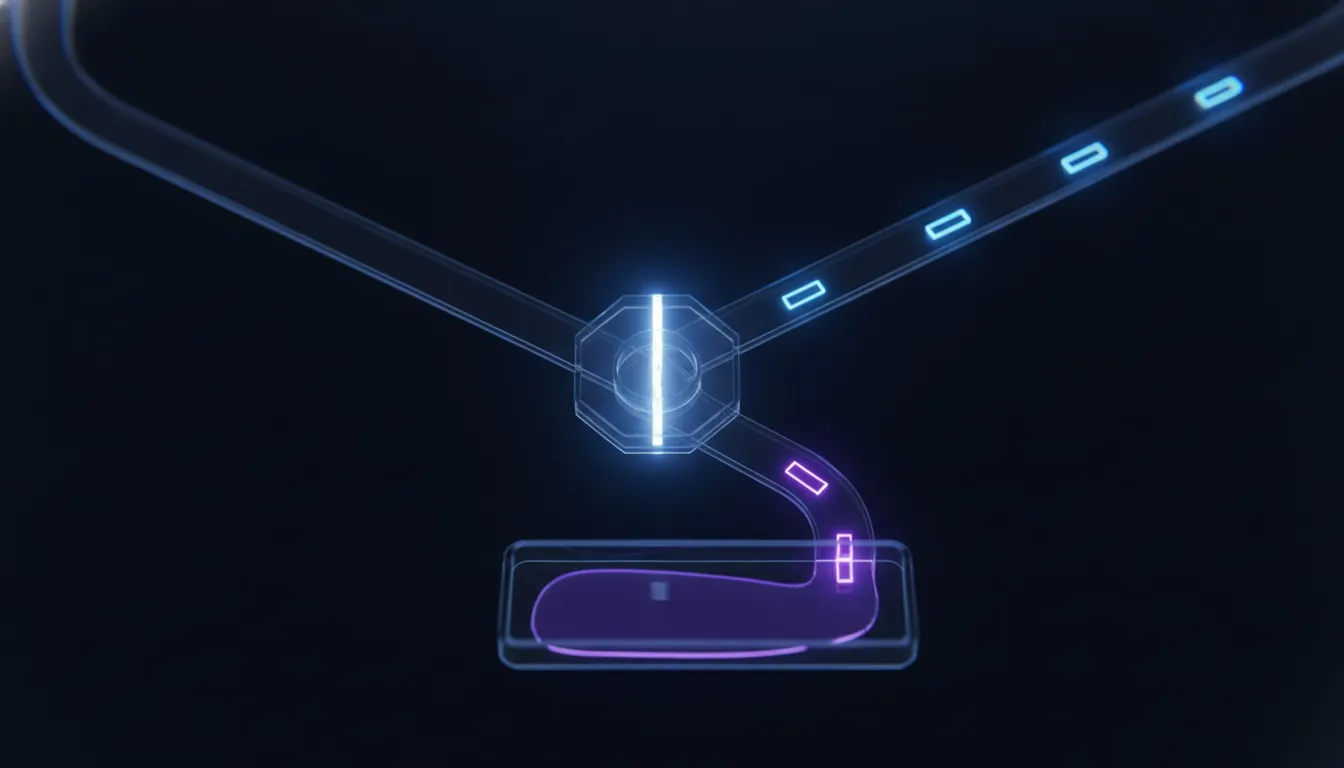
The setup usually sits at whatever layer already routes a conversation to your agent: a proxy in front of your API, a message queue consumer that duplicates each event, or a flag in your orchestration code that spins up a second run alongside the first. The live version still answers the user exactly as it always has. The candidate version processes the same input, produces its own output, and that output goes nowhere near the customer. It lands in a log, a comparison table, or a review queue instead.
People sometimes use “shadow testing,” “shadow deployment,” and “dark launching” as if they’re the same thing, and in casual conversation they mostly are. The distinction worth keeping straight is that a dark launch can mean a feature exists in production but is hidden behind a flag for a specific user segment, while shadow testing specifically means the candidate never serves a real response at all, only a comparison copy. A canary release is different again: it exposes a small percentage of real users to the new version’s actual output, which shadow testing is built to avoid until you trust the candidate enough to risk that.
For an AI agent, this matters because you rarely trust a new prompt, a new model, or a new tool configuration enough to hand it real conversations on day one. Shadow testing gives you a way to watch the candidate handle actual customer language, actual edge cases, and actual conversation length, all the things a curated eval set tends to miss, before a single real user depends on its answer. Think of it as the step that sits between pre-release agent testing against a fixed test set and an actual rollout: the eval set tells you the candidate passes on cases you already thought of, and shadow testing tells you what happens on the cases you didn’t.
How is shadow testing an LLM agent different from testing a deterministic API?
Shadow testing an LLM agent is different because the two outputs being compared are not supposed to match exactly, even when both versions are working correctly, which breaks the diff-and-flag approach that shadow testing was originally built for.
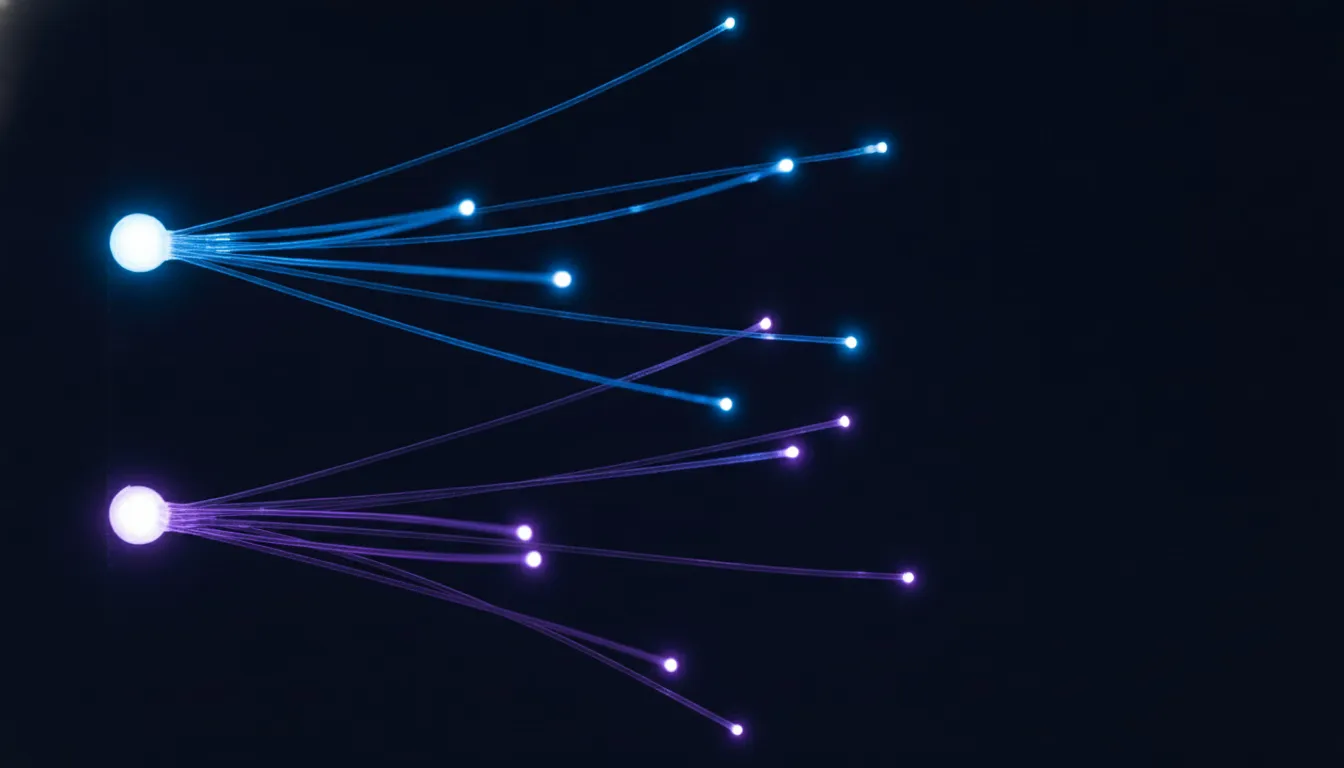
A deterministic API given the same input twice returns the same output twice, so shadow testing it is a solved problem: any difference is a bug. An AI agent given the same conversation twice, even the exact same version of itself, can phrase its answer differently, choose a different but equally valid tool call, or order its steps in a different sequence, and still be completely correct both times. If you point a traditional shadow-testing setup at an agent and flag every text difference, you get thousands of false positives from harmless phrasing changes, and the team reviewing them stops looking within a week.
The fix is to stop comparing text and start comparing the things that actually determine whether the agent did its job. Did it call the tool it was supposed to call, with the arguments it was supposed to pass. Did it reach the same resolution state, whether that’s “resolved,” “escalated,” or “needs more information.” Did its latency and token count stay inside a normal range. Those are the deterministic-enough signals hiding inside a non-deterministic system, and they’re what a shadow test for an agent should actually flag on, with full transcript text kept around for the cases a human decides to dig into rather than the primary alert signal.
How do you compare two non-deterministic outputs without flooding a review queue?
You compare two non-deterministic agent outputs by grading structure and outcome automatically, and reserving human or model-based text review for the small slice that structural checks can’t resolve on their own.
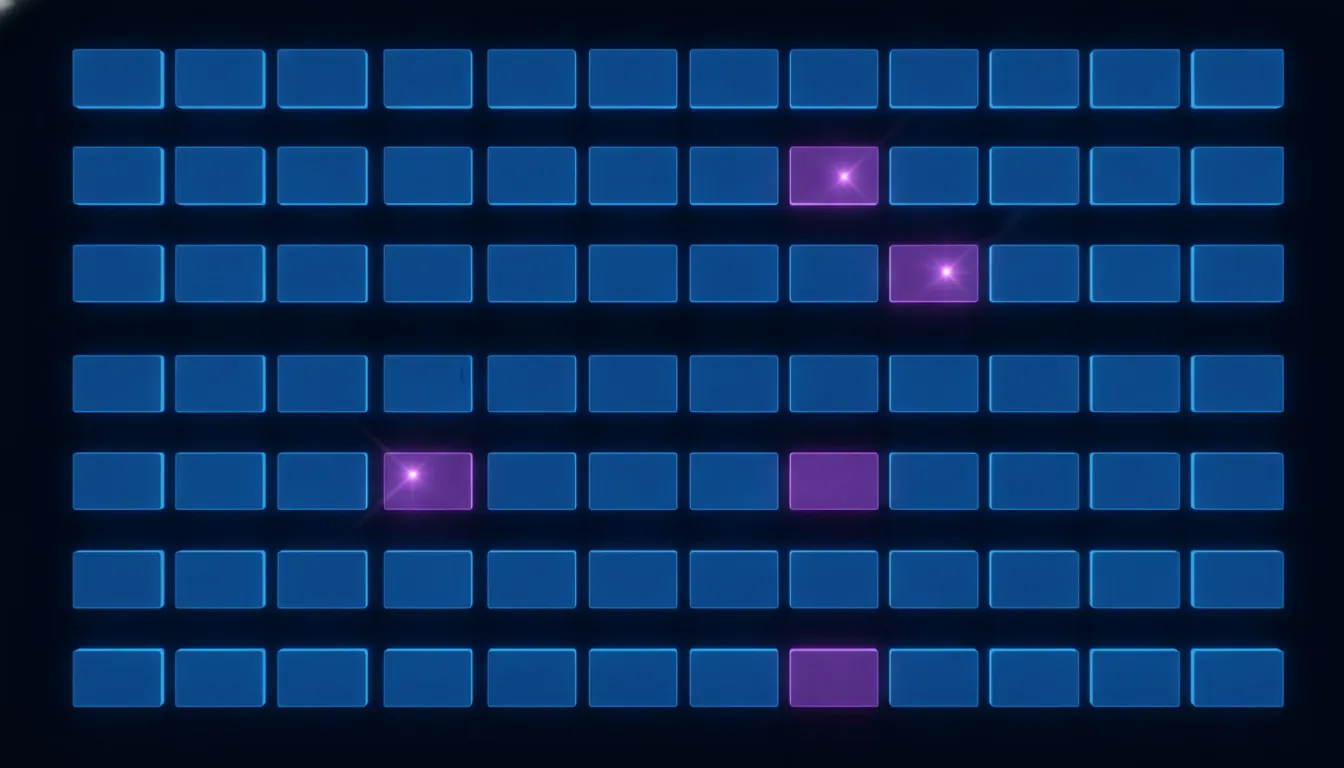
Start with the checks that don’t need any judgment call: whether the candidate’s tool calls match the live version’s tool calls in name and required arguments, whether the conversation ended in the same resolution category, and whether latency or token usage moved outside a range you’ve already decided is acceptable. These checks are fast, cheap, and catch the failures that matter most, a candidate that stopped calling the refund tool it should have called is a real regression no matter how well-written its apology text is.
For the transcripts that pass every structural check but still read differently, an LLM-as-judge pass is the practical middle ground: a separate model call scores the candidate’s reply against the live reply on a short rubric, tone, completeness, whether it introduced any claim the live version didn’t make, and only the low-scoring pairs get routed to a human. This keeps a person’s attention on the handful of transcripts where the two versions plausibly disagree, instead of every transcript where the wording simply changed. Track the volume that reaches human review as its own number. If it’s climbing week over week, the automated layer is under-tuned, not the candidate agent. The same structural signals, tool calls, resolution state, latency, are also what a good AI agent observability setup should already be tracing in production, so a shadow test can often reuse the traces you’re capturing anyway instead of building a second pipeline from scratch. This is the piece an embeddable trace layer like AiAgRe is built to carry: the same span data that already powers a tenant’s deflection numbers doubles as the comparison feed a shadow test needs, without a separate logging setup bolted on for the occasion.
What breaks when your shadow copy can still call real tools?
What breaks is that a shadow copy calling a real tool produces a real side effect the live version already produced too, so the customer gets charged twice, emailed twice, or has a ticket closed twice, even though only one of the two versions was ever supposed to act.
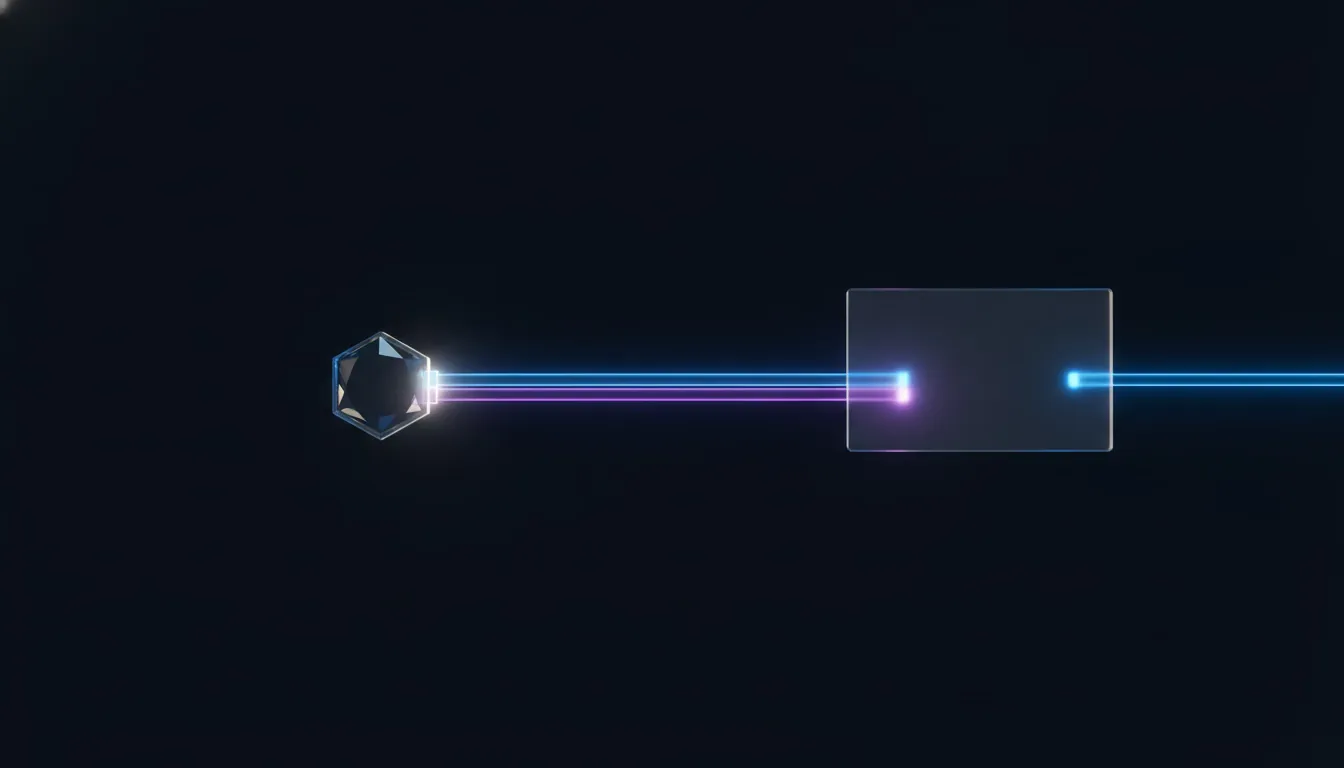
This is the gap that generic shadow-testing guides, written for stateless APIs, mostly skip. An API shadow test usually compares two read-heavy responses where firing the request twice is harmless. An AI agent’s tools routinely write: issuing a refund, sending a password reset email, updating a CRM record, closing a support ticket. Let the candidate agent’s tool layer run for real and you’re not testing safely, you’re running two production agents at once and hoping their actions don’t collide.
The fix has to happen at the tool layer, not the agent layer. Every tool the candidate can call needs a shadow mode of its own: it receives the same call, validates the arguments, logs what it would have done, and returns a realistic mock response instead of touching the real system. Building that takes real work per tool, which is exactly why teams skip it and end up shadow testing only the parts of an agent that don’t write anywhere, missing the exact failure category, an agent that calls the right tool with the wrong arguments, that shadow testing exists to catch. Build the mock layer once per tool and every future agent version gets to reuse it. It’s the same discipline tenant isolation already asks for at the data layer, drawing a hard boundary around what a piece of code is allowed to touch, applied here to what a not-yet-trusted agent version is allowed to actually do.
How much does running a shadow copy actually cost, and how do you sample it down?
Running a shadow copy roughly doubles your inference spend on whatever share of traffic you mirror, because every shadowed conversation now runs through the model twice, so the real lever isn’t whether to shadow test but what percentage of traffic to send through it.
None of the general shadow-testing writeups aimed at APIs mention this, because a database read costs close to nothing to duplicate. An LLM call doesn’t work that way: if your agent averages a few cents per conversation and you mirror one hundred percent of traffic to a candidate, you’ve effectively doubled the line item on your model bill for as long as the shadow test runs. For a team validating a new version against thousands of daily conversations, that adds up fast enough to become its own conversation with finance.
Full mirroring earns its cost only in the first day or two after a genuinely risky change, a new base model or a rewritten system prompt, when you want maximum coverage before you trust anything about the candidate. After that, drop to a stratified sample: a fixed percentage of everyday traffic plus one hundred percent of the conversation types you already know are fragile, the long threads, the ones that call your highest-risk tool, the ones from your largest tenant. That combination catches the failures a random sample would miss while keeping the extra spend to a level worth defending in a budget review.
How long should you shadow test before flipping traffic, and should it be per tenant?
How long to shadow test depends on how much of your real traffic variety the candidate has actually seen, not a fixed number of days, and if you serve more than one tenant, the flip should happen tenant by tenant rather than all at once.
A flat rule like “shadow test for a week” sounds safe but can hide a real gap: a tenant whose conversation volume is low might not generate enough shadow traffic in a week to say anything meaningful about how the candidate handles that tenant’s specific patterns. A better gate ties the decision to volume and diversity instead of a calendar: enough shadowed conversations per tenant to cover its normal range of request types, with disagreement rates between candidate and live sitting inside your accepted threshold for at least a few consecutive days, not just one good afternoon.
This is where a single global flip becomes the wrong default in a multi-tenant AI product. A candidate that shadow tests cleanly against your average tenant can still disagree constantly with one tenant whose customers write longer messages, ask unusual questions, or lean on a tool the average tenant barely touches. Promoting globally the moment the aggregate numbers look fine risks flipping every tenant to a version that only actually passed for most of them. Gate the flip tenant by tenant instead: a tenant whose shadow results clear the bar moves to the new version, a tenant that doesn’t stays on the version already working for it until its own numbers catch up, and rollback, if you need it, only has to touch the tenants where the candidate actually struggled. This is the same per-tenant discipline that makes prompt versioning safe in a multi-tenant product: a version promoted on an aggregate number can still be the wrong version for the one tenant whose traffic never matched the average.
What to set up this week if you don’t have shadow testing yet
Start with the highest-risk tool your agent calls, the one where a duplicate action would actually cost money or trust, a refund, a cancellation, an outbound email, and build its shadow mode first: a version of that one tool that logs what it would have done instead of doing it twice. That single piece of infrastructure removes the biggest risk in the whole exercise and pays for itself the first time it stops a candidate from double-charging a real customer during a test.
Next, wire up mirroring for a small, fixed percentage of live traffic, five to ten percent is enough to start, routed to a candidate version running your next intended change. Skip building a sophisticated comparison layer on day one. A spreadsheet or a simple log comparing tool calls and resolution outcomes between the two versions catches most of what matters long before you’d invest in an automated grading pipeline. Add the LLM-as-judge layer once you’ve seen enough real disagreements to know what you actually need it to catch.
If you run more than one tenant, decide your per-tenant promotion rule before you need it under pressure. Pick the volume and disagreement thresholds a tenant has to clear to move to a new version while the decision is calm, not in the middle of a rollout that’s already gone sideways for one customer. A shadow test that only tells you the aggregate looks fine is a test that’s already missed the exact failure most likely to show up in production, one tenant behaving differently from the rest, and catching that gap before a real customer does is the entire point of running the shadow copy in the first place. AiAgRe traces every candidate and live run at the tenant level for exactly this reason, so a disagreement in one tenant’s numbers never gets buried inside an aggregate that still looks healthy.
Frequently asked questions
What is shadow testing in AI agents?
Shadow testing an AI agent means running a candidate version of the agent alongside the live version, sending it the same real traffic, and comparing what it does without ever letting its reply reach an actual user. It lets a team validate a new prompt, model, or tool configuration against real conversations before any customer depends on the candidate’s answer.
How is shadow testing different from a canary release?
A canary release exposes a small percentage of real users to the new version’s actual output, so those users see and are affected by the change. Shadow testing exposes zero real users to the candidate’s output. It runs in parallel purely for comparison, which makes it the safer step to take before a canary, not a replacement for one.
Why can’t you just diff the text output of two agent versions?
Because an AI agent’s text output is non-deterministic even when the agent is working correctly. The same model can phrase a correct answer two different ways, so a plain text diff flags thousands of harmless differences and buries the handful of real regressions inside noise a review team stops reading within days.
How do you shadow test an agent that calls tools with real side effects?
Every tool the candidate can call needs its own shadow mode: it validates the call and logs what it would have done instead of executing it against the real system. Without that, a shadow copy that fires a real refund, email, or database write duplicates an action the live version already took, which turns a safety test into a second production incident.
Does shadow testing cost extra to run?
Yes. Mirroring traffic to a candidate roughly doubles inference spend on whatever share of traffic you shadow, since every shadowed conversation runs through the model twice. Full mirroring is worth that cost for a day or two after a high-risk change, then a stratified sample, covering your highest-risk conversation types plus a fixed percentage of everything else, keeps the ongoing spend reasonable.
Should a multi-tenant AI product flip every tenant to a new version at the same time?
No. A candidate can pass cleanly against your average tenant’s traffic while still disagreeing constantly with one tenant whose conversation patterns differ. Gating the flip tenant by tenant, based on each tenant’s own shadow volume and disagreement rate, catches that gap before it reaches production instead of after.